


Winkelwagen
U heeft geen artikelen in uw winkelwagen
The exact cause of ocular rosacea isn’t known. However, research indicates it may be caused by immune system dysfunction, among other possibilities. Additionally, some potential triggers for a typical rosacea flare-up include consuming certain foods or drinks.
Research shows that immune and vascular issues may play a significant role in contributing to ocular rosacea. Your immune system is responsible for defending against infections and diseases, and any problems in its operation can lead to other issues.
Dysfunction and changes in blood vessels can further contribute to the development and progression of ocular rosacea. If blood vessels expand, it can lead to redness and other symptoms.³
Research shows that certain foods or drinks can cause rosacea to flare up. Alcohol and spicy food are two of the most common triggers, but others such as tomatoes, chocolate, processed meat, or aged cheeses can also contribute to worsening symptoms.⁴ Keep in mind that triggers can vary from person to person, and not all individuals with ocular rosacea will experience flare-ups from the same foods. Identifying and avoiding your personal triggers can significantly help you manage and control your symptoms.
Huidverzorging
De gezichtshuid bij mensen met rosacea is kwetsbaar en gevoelig. Daarom gelden de onderstaande maatregelen en adviezen voor het verzorgen van de huid.
Camouflage
- Om roodheid, pukkels en puistjes te camoufleren kan een ‘foundation’ (vloeibare of minerale make up) en/of ‘concealer’ (voor camouflage) op waterbasis (dus olie-vrij) gebruikt worden.
- Voor een rode huid zijn speciale middelen beschikbaar die lichtgroen van kleur zijn, om het rood te camoufleren.
Mocht u hulp wensen bij de zelfzorg voor uw rosacea dan kan een arts u verwijzen naar een geregistreerde huidtherapeut. Afhankelijk van uw aanvullende polis kan dit met kosten gepaard gaan.
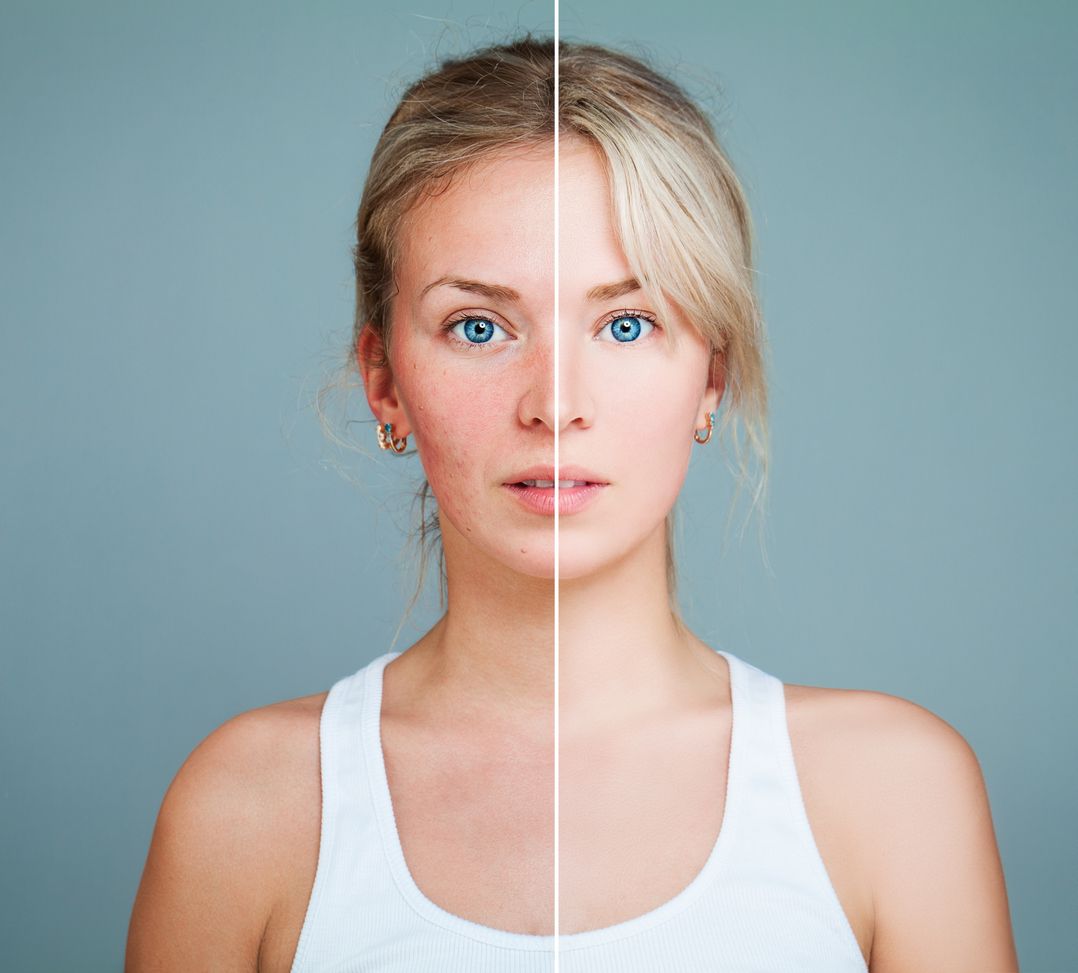
Couperose
De uitgezette adertjes in het gezicht kunnen worden behandeld met lasertherapie of een flitslamp. De behandeling geeft vaak goed resultaat, maar wordt niet vergoed. Meestal volstaan twee tot drie behandelingen. Op de lange termijn kunnen er nieuwe vaatjes komen.
Oogafwijkingen
Wanneer u door rosacea ook klachten heeft van de ogen, is het belangrijk om de oogleden dagelijks schoon te houden. Dat wordt ook wel ooglidhygiëne genoemd. Zie daarvoor de patiëntenfolder ‘Blefaritis (ooglidrandontsteking) en Meibomklierdysfunctie’ van het Nederlands Oogheelkundig Gezelschap.
Voor droge ogen en irritatie kunnen ‘kunsttranen’ worden gebruikt om uitdroging van de ogen tegengaan zoals Systane® en OptiFree Pro®. Deze worden niet vergoed. Kunsttranen op basis van hypromellose, methylcellulose of carbomeer worden ook wel toegepast, en die worden wél vergoed, maar deze zijn doorgaans minder goed werkzaam bij rosacea van de ogen. Ook behandeling met antibiotica in de vorm van tabletten of capsules zoals doxycycline, minocycline of tetracycline kan verbetering geven.
Als de oogproblemen aanhouden, is een verwijzing naar de oogarts verstandig. Die kan eventueel oogdruppels met het medicijn ciclosporine voorschrijven.
Rhinophyma
Verdikking van de neus (rhinophyma) kan op verschillende manieren worden behandeld. Plastische chirurgie, wegbranden (elektrochirurgie), bevriezen (cryochirurgie) en lasertherapie behoren tot de mogelijkheden.
Rosacea is a common, chronic facial skin condition that affects more than 16 million Americans. 1,2 It is most often inflammatory in nature, and it has a high prevalence among adults with fair skin and those of Northern European descent. 3 Symptoms often present in a variety of combinations of subtypes and severity and commonly fluctuate between periods of exacerbation and remission. 3 If left untreated, the condition will become progressive.
Ocular rosacea is a subtype of facial rosacea (see Subtypes of Rosacea), 3,4 and is a condition that optometrists will undoubtedly encounter and therefore must be able to manage confidently. This article provides a basic foundation of knowledge on ocular rosacea, including common signs and symptoms, what to look for in the clinical examination, and treatment options.