
Blog

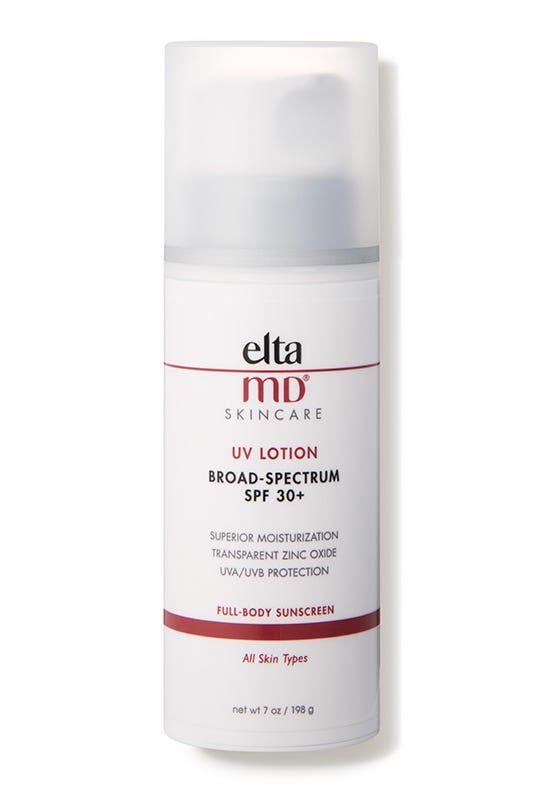
Alles wat je moet weten over bodylotion met SPF 30

Is a high-number SPF better than a low-number one?

Dermatologists recommend using a sunscreen with an SPF of at least 30, which blocks 97% of the sun's UVB rays. Higher-number SPFs block slightly more of the sun's UVB rays, but no sunscreen can block 100% of the sun's UVB rays.

Ideally, parents should avoid exposing babies younger than 6 months to the sun’s rays.

The best way to protect infants from the sun is to keep them in the shade as much as possible, in addition to dressing them in lightweight and long sleeves, pants, a wide-brimmed hat, and sunglasses. If you can’t find shade, create your own using an umbrella, canopy, or the hood of a stroller. Make sure your baby doesn’t get overheated and drinks plenty of fluids. If your baby is fussy, crying excessively, or has signs of sunburn like redness in lighter skin tones or darker areas of skin in darker skin tones on any exposed skin, take them indoors.

If possible, sunscreen use should be avoided in babies younger than 6 months. However, if shade and adequate clothing are not available, parents and caretakers may apply a minimal amount of sunscreen, preferably a physical sunscreen, to their child’s skin. Use sunscreen that offers broad-spectrum protection, water resistance, and SPF 30 or higher. Sunscreen should be washed off your baby’s skin once indoors.

Can I use the sunscreen I bought last summer, or do I need to purchase a new bottle each year? Does it lose its strength?

Dermatologists recommend using sunscreen on all skin not covered by clothing every day when you are outside, not just during the summer. If you are using sunscreen every day and in the correct amount, a bottle should not last long. If you find a bottle of sunscreen that you have not used for some time, here are some guidelines you can follow:

  • The FDA requires that all sunscreens retain their original strength for at least three years.
  • Some sunscreens include an expiration date. If the expiration date has passed, throw out the sunscreen.
  • If you buy a sunscreen that does not have an expiration date, write the date you bought the sunscreen on the bottle. That way, you’ll know when to throw it out.
  • You also can look for visible signs that the sunscreen may no longer be good. Any obvious changes in the color or consistency of the product mean it’s time to purchase a new bottle.
  • Avoid leaving sunscreen containers under direct sunlight, or in a hot environment such as inside of the car, as this will speed up the rate that sunscreen ingredients break down.

How do I treat a sunburn?

Your skin can burn if it gets too much sun without proper protection from sunscreen and clothes. To help heal and soothe stinging skin, it is important to begin treating sunburn as soon as you notice it. The first thing you should do is get out of the sun — and preferably indoors.

Once indoors, these dermatologists’ tips can help relieve the discomfort:

  1. Take frequent cool baths or showers to help relieve the pain. Afterward, gently pat your skin dry.
  2. Soothe your sunburn by applying moisturizer containing aloe vera or soy while your skin is still damp and whenever you feel discomfort. You can also apply calamine lotion, place a cool, damp washcloth on the affected area, or take a colloidal oatmeal bath.
  3. Consider taking aspirin or ibuprofen to help reduce any swelling and discomfort from your sunburn.
  4. Drink extra water. A sunburn draws fluid to the skin’s surface and away from the rest of the body. Drinking extra water when you are sunburned helps prevent dehydration.
  5. Do not pop sunburn blisters. Blistering skin means you have a second-degree sunburn. Allowing blisters to heal — instead of popping them — protects you from infection. Keep blisters clean and apply petroleum jelly to protect them while they heal.
  6. Protect your skin from the sun to prevent sunburn and reduce your risk of skin cancer and premature skin aging. Seek shade, wear sun-protective clothing — such as long sleeves, pants, a wide-brimmed hat, and sunglasses with UV protection. Apply a broad-spectrum, water-resistant sunscreen with an SPF of 30 or higher to all skin not covered by clothing.

If your sunburn gets worse, partner with the sun-protection expert, a board-certified dermatologist.

Voor 16:00 besteld: dezelfde dag verzonden
Gratis verzending vanaf € 75
Klantenservice met jaren ervaring
Gratis sample bij je bestelling!