

Blog

Alles wat je moet weten over bodylotion met shea boter

Inhaltsstoffe der Sheabutter

Inhaltsstoffe von Sheabutter

Es ist nicht verwunderlich, dass die Heilkräfte der Sheabutter auf ihre Inhaltsstoffe zurückgeht.

Es gibt aber einen guten Grund, warum sie bei uns hauptsächlich als Creme verwendet wird und sehr selten nur zum Kochen.

Abgesehen von den Vitaminen und Nährstoffen besteht die Sheabutter nämlich zu ganzen 11 Prozent aus unverseifbaren Bestandteilen.

Die hohe Konzentration dieser Moleküle ist auch für die meisten Heilkräfte der Sheabutter verantwortlich. Unverseifbar bedeutet, dass sich diese Moleküle im Kontakt mit Wasser nicht lösen.

Dadurch dringen diese Stoffe besonders gut in die tiefsten Hautschichten ein und versorgen die Hautzellen mit wertvollen Nährstoffen.

Zu den unverseifbaren Bestandteilen der Sheabutter gehören unter anderem Ölsäure, Kohlenwasserstoffe, Tocopherole und Phytosterole. Außerdem punktet Sheabutter noch mit folgenden Wirkstoffen:
  • Allantoin: Dieser Harnsäurestoff ist aus guten Gründen in vielen Kosmetika zu finden. Allantoin wirkt entzündungshemmend, wundheilend und unterstützt Zellen bei der Regeneration. Er mildert unter anderem Hautirritationen und Ausschläge.
  • Vitamin E: Dieses wertvolle Antioxidans ist nicht nur Bestandteil lebenswichtiger Funktionen in unserem Körper. Vitamin E ist auch ein sogenannter Radikalfänger, der Zellen vor irreparablen Schäden schützt. Auf vielfältige Weise kann Vitamin E die Bildung von Falten hemmen und kleinere Fältchen sogar auffüllen.
  • Beta-Carotin: Auch Beta-Carotin ist ein Antioxidans und schützt unsere Zellen vor oxidativem Stress. Der sekundäre Pflanzenstoff schützt unseren Körper auf diese Weise vor Tumorbildung und bildet darüber hinaus einen natürlichen Schutz vor Zellschäden durch Sonneneinstrahlungen. Nur in raffinierter Sheabutter ist kein Beta-Carotin vorhanden.
  • Omega 3 Fettsäuren: Omega 3 Fettsäuren zählen zu den essenziellen Fetten. Sie spielen eine zentrale Rolle bei der Regulierung des Hormonhaushalts und wirken ebenfalls antientzündlich.
  • Linolsäure: Linolsäure ist besonders wertvoll für unsere Haut. Sie wirkt hautberuhigend, sorgt für eine stabile Hautbarriere und verbessert so den Feuchtigkeitshaushalt. Linolsäure ist Bestandteil zahlreicher Kosmetika: Sie hält die Haut gesund und schön.

Storage

Shea butter should be stored slightly below room temperature, so that it stays solid and easy to spread.

There are no documented cases of topical shea butter allergies. Even people with tree nut allergies should be able to use shea butter on their skin.

That said, discontinue use if you begin experiencing irritation and inflammation. Seek emergency medical attention if you experience severe pain, swelling, or difficulty breathing.

If you want to get the most out of your shea butter, purchase it in its raw and unrefined form. The more that shea butter is processed, the more its amazing, all-natural properties are diluted.

For this reason, shea butter is classified by a grading system from A to F, with grade A being the most pure form of shea butter you can buy.

Buying shea butter that’s raw and unrefined also helps more of your purchase count toward supporting the communities that actually harvest and grow shea nuts. You can go a step further by purchasing grade A shea butter that’s labeled “fair trade.”

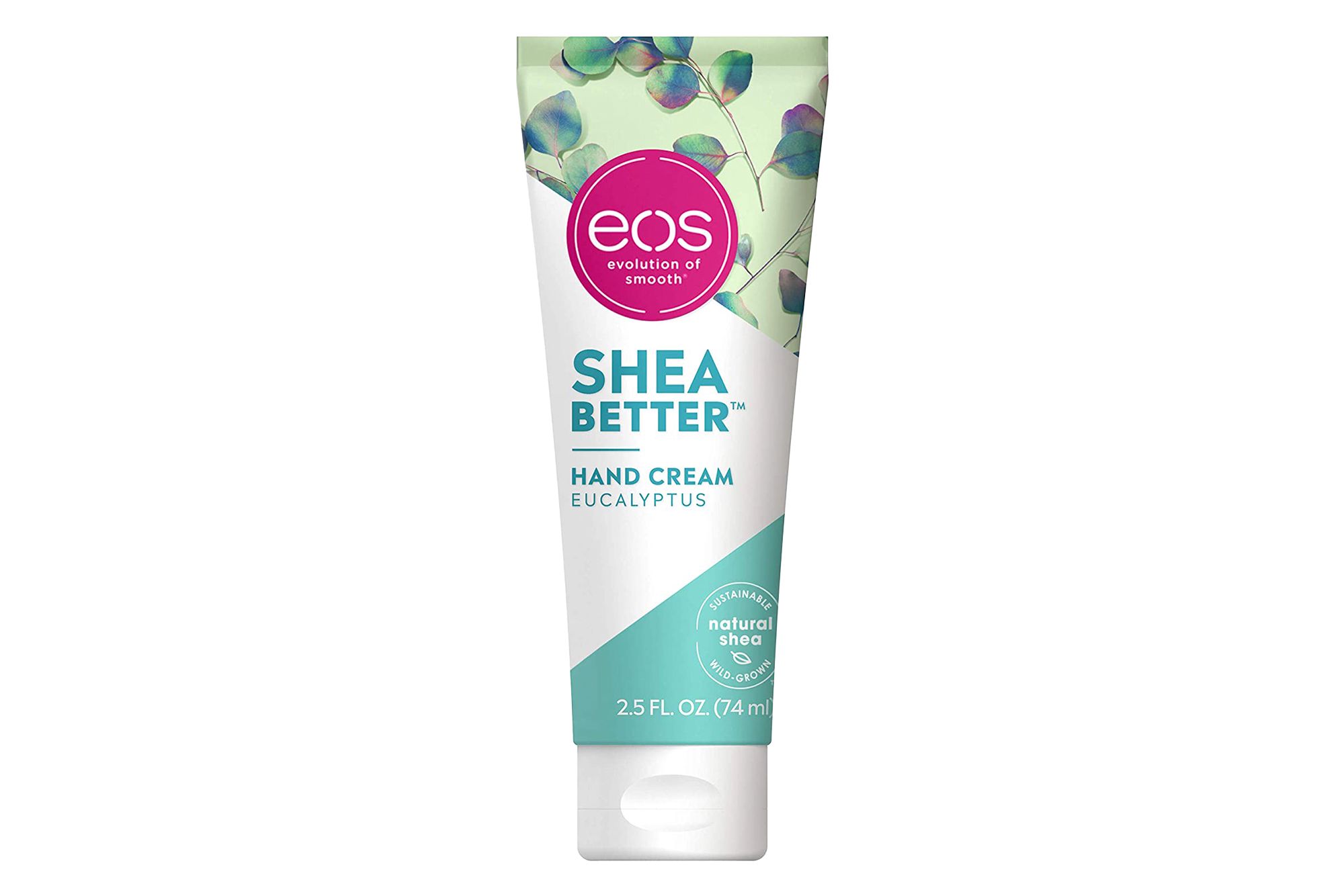
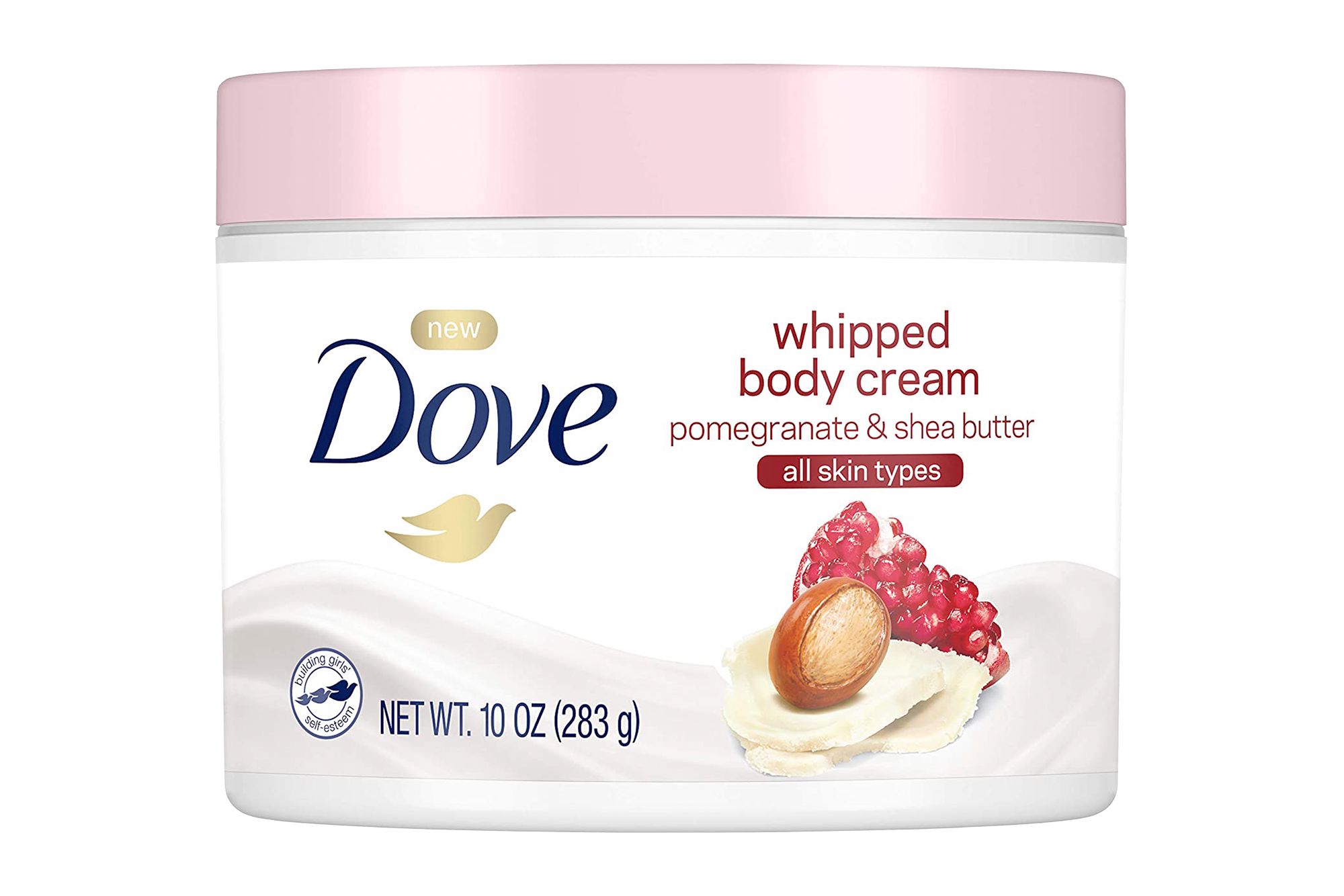
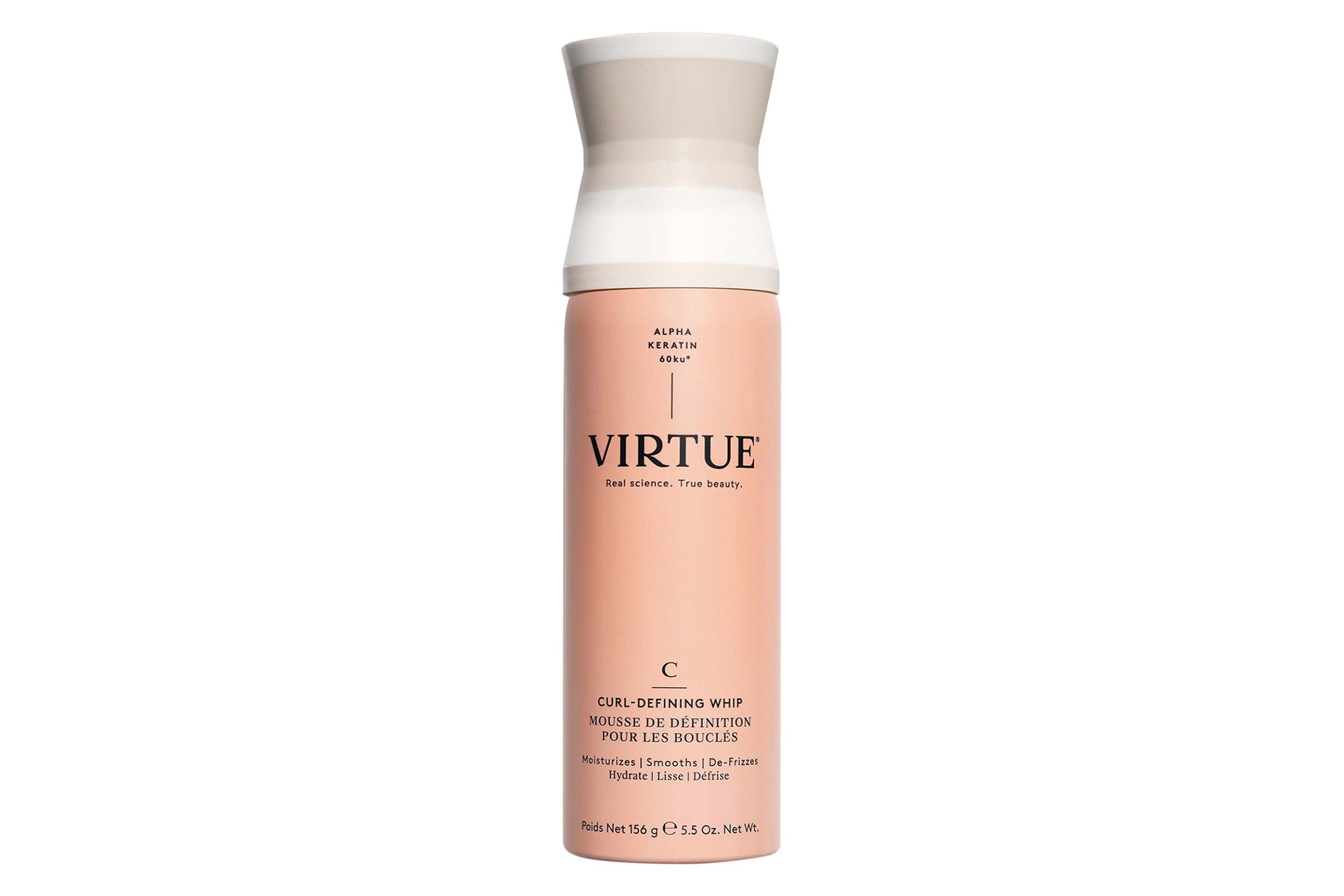
Here are a few products to try that support the West African communities producing most of the world’s shea tree nut supply:

Shea butter is packed with essential nutrients that can enhance your natural complexion and help you glow from the inside out.

Although it’s considered safe every skin type, many products containing shea butter have other ingredients mixed in.

If you experience any side effects that you suspect are connected to a shea butter product, discontinue use and see a doctor or other healthcare provider. They can help determine what’s causing your symptoms and advise you on any next steps.

Benefits of Both Cocoa Butter and Shea Butter

  • Emollients that help stop water from evaporating from your skin, (from WebMD).
  • Plant-Based
  • Contain fatty acids
  • Vitamin A is known to help with the following, (from Healthline):
    • scars
    • blemishes
    • wrinkles
    • stretch marks
    • age spots
    • psoriasis
    • antioxidant
    • moisture retainage
    • protects cells from damage
    • softens skin

    • linoleic acid – is known to help with:
      • blemishes
      • wrinkles
      • atopic dermatitis
      • psoriasis
      • UV rays (only about 3 to 4 SPF)
    • latex
      • raw contains latex
      • consider refined if allergic
    • anti-bacterial properties, (from Cleveland Clinic)
    • may clog pores
      • consider limiting if you are more prone to acne

    As you can see above, shea butter has so many benefits. But there are two items on my list of shea butter-specific properties we should talk about more.
    1. Latex. Though shea butter does contain latex, there is no guarantee that you will have a reaction if you have a latex allergy. My oldest daughter is allergic to latex and uses my homemade shea butter moisture without any reaction. Zero issues in fact. The shea butter I use is raw too. So all this said, depending on the severity of your allergy, you may want to use refined shea butter.
    2. Acne. I want you to be fully informed about what my research revealed and several sources (at the bottom of this article) stated that shea butter MAY clog pores. In my view, the amount of shea butter for this recipe will not likely cause any issues. My anecdotal evidence I have 3 teens who have had some normal teenage acne. When I switched to shea butter instead of cocoa butter, their blemishes did not worsen.

Voor 16:00 besteld: dezelfde dag verzonden
Gratis verzending vanaf € 75
Klantenservice met jaren ervaring
Gratis sample bij je bestelling!