


Winkelwagen
U heeft geen artikelen in uw winkelwagen
With small changes, you can help your child living with eczema feel more comfortable during the winter.
As well as after bathing, apply moisturizer to your child after any showers and hand-washing and before bed to make sure their skin stays hydrated. You may also need to use a thicker cream or ointment than usual. Alcohol-based hand sanitizers dry out the skin, so encourage kids to use moisturizer on their hands after washing or sanitizing.
If your child’s skin feels especially dry during the winter, consult their dermatologist about occlusion. This process involves applying eczema medicine or moisturizer and covering it with plastic or a bandage, which can help increase the absorption of medicine and moisturizer into very dry skin.
Maintain a comfortable environment by adjusting the thermostat to prevent overheating and keeping the air humid by using a humidifier or bowl of water in each room. Avoid letting a child warm their skin on fireplaces, heating vents, and radiators, as this can lead to drastic temperature changes, which can cause or worsen itchiness.
Als je in de winter extra last hebt van eczeem is het goed de onderstaande voedingsstoffen in grotere hoeveelheden in te nemen. Lees ook ons volledige artikel over supplementen voor eczeem.
Drink in de winter veel water om uw huid gehydrateerd te houden. Als je in dit seizoen naar warme dranken zoals koffie en rode wijn neigt, heb je nog meer behoefte aan extra hydratatie, omdat deze dranken je lichaam van water ontdoen. Met name koffie is hier een boosdoener!
Het dagelijks drinken van gemberthee kan uw immuunsysteem stimuleren en de effecten van eczeem verminderen en uw huid versterken. Voeg een lepel honing toe voor wat extra antioxidanten.
Vitamine C (wie heeft er niet een pot vitamine C van Roter thuis staan?) heeft antioxiderende eigenschappen, dus het helpt het lichaam om ziekten en aandoeningen te bestrijden, waardoor het immuunsysteem tot volle capaciteit wordt versterkt. Dit helpt bij de bestrijding van chronische ziekten zoals hart- en vaatziekten en kan ook de bloeddruk verlagen en de productie van witte bloedcellen stimuleren. Ik ga in een ander artikel verder in op alle voordelen van vitamine C voor mensen met eczeem .
Vitamine E kan worden genomen als een aanvulling of plaatselijk worden aangebracht, maar is ook een prima basisingrediënt voor vochtinbrengers of badoliën. Ik neem zelf standaard een multivitamine van Davitamon het hele jaar door.
Vitamine D-supplementen of het eten van voedingsmiddelen die rijk zijn aan vitamine D kan helpen, zoals kabeljauw, zalm en eieren. Studies hebben aangetoond dat vitamine D-supplementen de symptomen van wintereczeem bij kinderen kunnen verminderen. Lees hier meer over vitamine D en eczeem .
Omega-3 supplementen helpen het lichaam op allerlei manieren, waarvan één in de huidverzorging. Kies voor fish oil of het eten van vette vis zoals zalm en tonijn.
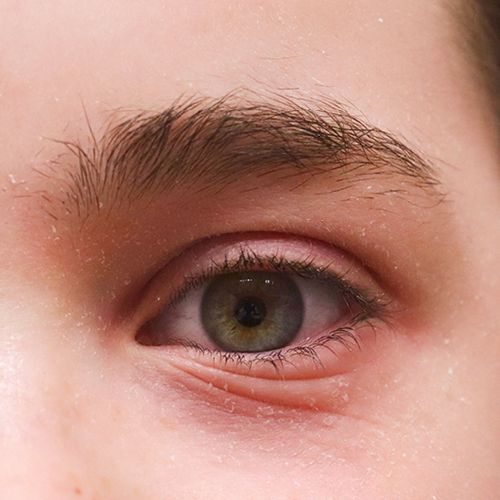
Many members of MyEczemaTeam have talked about the effect of winter weather on their skin. One member’s comment reflects the sentiments shared by many others: “My face is irritated and getting flaky and itchy. It hurts. I hate the winter. It’s so extra dry.”
During winter, the cold, dry air can cause people’s eczema to flare up. Eczema damages the skin barrier and reduces the skin’s capability to cope with changing weather. With the skin barrier already compromised, its defenses against allergens, germs, and loss of moisture are weakened.
But what particular factors cause flare-ups in eczema symptoms during the winter? Research conducted around the subject has revealed several climatic and weather conditions that trigger or worsen atopic dermatitis. These factors include the following circumstances.
Dramatic changes in weather or sudden drops in temperature — like walking into a warm house on a cold winter’s day — can cause itchiness, even in people without eczema.
During the cold seasons, the level of moisture in the air drops, causing dryness as the skin loses moisture to the atmosphere. People spend more time inside during the winter where hot, dry air from heaters also pulls moisture from the skin into the air.
Lack of sun exposure during the winter can lead to lower vitamin D levels. There is evidence that lower vitamin D levels may be associated with eczema. However, more research is needed to fully understand the relationship between sunlight and eczema symptoms.
Seasonal changes in pollen counts can also trigger eczema. Many people with eczema also have seasonal allergies and asthma — these are known together as the atopic triad.

Eén van de gevolgen van een verstoorde huid barrière is een droge huid. De huid barrière laag is niet meer intact. Oftewel, er zitten openingen in de bovenste huidlaag, waardoor gezonde stoffen sneller de huid uittreden. Met name water verdampt snel uit een niet-intacte huid, waardoor de huid uitdroogt en schraal wordt. Om die reden hebben mensen met eczeem vrijwel altijd last van een droge huid.
Daarnaast komen schadelijke stoffen van buitenaf ook veel dieper en sneller de huid binnen. Denk aan: cosmetische ingrediënten, luchtverontreinigende stoffen, wollen kleding en agressieve wasstoffen.
Dit kan tot een huidontsteking leiden, waardoor eczeem plekken optreden. Je immuunsysteem reageert dan namelijk veel sneller op kleine irriterende stoffen of allergenen.

No matter what season triggers you, the first thing you should figure out is just that — your personal eczema triggers. Maybe it’s the cold winter wind that causes your skin to dry out. Or maybe it’s the sweat dripping from your skin during the summer that causes your flare-ups. In some cases, it can be both. That’s why it’s good to identify ALL of your triggers — whether they’re weather-related or not.
It’s always best to avoid triggers that worsen your eczema, such as certain skin care products, perfumes or detergents. In general, it’s best to stick to fragrance-free and hypoallergenic options.
Additionally, follow these tips to protect yourself against seasonal-specific flare-ups:
Ah, winter. ‘Tis the season for cozy sweaters, crackling fires, mugs of hot cocoa — and eczema flare-ups. Sigh.
Several factors team up to make them more common in the cooler months, points out Dr. Anthony. “Cold air, wind and a decrease in humidity can all dry out skin,” he says. “That loss of moisture can cause eczema to flare.”
But winter doesn’t have to equal itchy skin misery. If you or your child has eczema, take steps this winter to keep flare-ups at bay.
Indoor heating systems can reduce the humidity in your home, contributing to dry skin.
“When temperatures plunge, the relative humidity goes down,” Dr. Anthony says. “Using a humidifier in the house can help put moisture back into the air.” This is especially helpful in your bedroom while you sleep.
“Many people find their eczema isn’t so bad in summer. But when fall and winter arrive, you really have to double down on their moisturizing efforts,” Dr. Anthony notes.
If this sounds like you, Dr. Anthony recommends applying a thick moisturizer right after you get out of the shower or bath to lock in moisture when your skin is still damp.
