


Winkelwagen
U heeft geen artikelen in uw winkelwagen
The typical skin lesions of Hailey-Hailey disease usually occur in friction or intertriginous areas, including the sides and back of the neck, axillary, inguinal, and perineal folds (scrotum, vulva). The sub-mammary area affects as much as 50% of female patients with HHD. Isolated vulvar disease is possible.
Primary lesions are grouped, flaccid vesicles and blisters on an erythematous base or normal skin. A foul-smelling exudate is produced upon rupture, and crusted erosions are formed. Lesions develop peripherally in a serpiginous pattern with an active vesico-pustular border. When central resolution occurs, expanding lesions can obtain a circinate form. Chronic lesions, especially in the intertriginous areas, tend to form erythematous plaques with worm-eaten erosions and painful "rhagades" or moist vegetations.[2]
Lesions present a symmetrical, bilateral distribution. Dissemination is rare and often secondary to a staphylococcal, viral, or yeast infection.[20]
Two distinct segmental HHD patterns have been described, reflecting mosaicism. These patients show a band-like distribution of lesions following the Blaschko lines. Type 1 HHD patients present a segmental distribution of lesions with no family history. It is due to a de novo post-zygotic mutation occurring at the first stages of embryogenesis.[25]
These patients risk transmitting non-segmental HHD to their children if the mutation affects the germline (gonadal mosaicism), and preconception genetic counseling is advised. In type 2 segmental HHD, severely affected segmental lesions and "classical" non-segmental HHD lesions are superimposed. The deeper portions of the adnexal structures express the genetic defect in the affected segment. Type 2 segmental HHD is due to a germinal mutation with associated loss of heterozygosity.[26] Affected family members have non-segmental HHD, and the risk of transmission from the affected parent to the offspring is 50%.[27]
Omdat de afwijkende cellen zeer oppervlakkig gelegen is er (naast operatief verwijderen) nog een aantal andere behandelopties.
stikstof-therapie
een vries-behandeling met vloeibare stikstof is een snelle en vaak doeltreffende methode om de ziekte van Bowen op te ruimen.
5-fluorouracil creme (Efudix)
een behandeling met fluorouracil crème is vaak effectief. U moet dan zelf de creme gedurende een aantal weken (meestal 3 of 4) tweemaal daags aanbrengen.
fotodynamische therapie
fotodynamische therapie is ook geschikt om de ziekte van Bowen te behandelen. Bij deze behandeling worden de afwijkende cellen met een speciale crème gevoelig gemaakt voor zichtbaar licht.
Vervolgens vindt belichting plaats waardoor de cellen afsterven en de ziekte van Bowen wordt opgeruimd.
Wanneer er bij de arts enige twijfel bestaat of er mogelijk toch van een begin van huidkanker sprake kan zijn heeft het operatief weghalen de voorkeur.
HHD is a chronic disease with no curative treatment. Current therapeutic strategies aim to control disease flares, improve patients’ quality of life, and provide prolonged remissions. The management of HHD is based on anecdotal data from the off-label use of various topical, systemic and interventional treatments. Since HHD is a relapsing-remitting disease and lesions can present spontaneous remission, data from individual case reports and small case series with no control group are of limited value (Level of evidence 5). Randomized, prospective studies are lacking.
General Measures
Avoiding triggering factors such as mechanical stress, heat, sun exposure, and sweating are essential measures to prevent disease exacerbations. Overall, lifestyle modifications are necessary, and patients’ education can be helpful. Patients are advised to lose weight and wear loose clothing and underwear to avoid friction in the intertriginous areas. Physical activity involving friction should be limited. Adhesive and occlusive dressings should be avoided.
Personal hygiene and mild daily cleansing with non-soap-based surfactants and synthetic detergents are recommended. Applications of antiseptics are essential (octenidine, chlorhexidine).[32] Bathing in dilute bleach (1/2 cup of 5% bleach in a full bathtub for a final concentration of 0.005%) for 10 minutes twice weekly can be proposed by analogy with atopic dermatitis.[33] Antiseptic treatments can decrease bacterial colonization without the risk of bacterial resistance induction.
Topical Treatments
Topical treatments are the mainstay of HHD management. Antiseptics and topical anti-inflammatory treatments applied during disease flares are often enough to control mild cases of HHD.[32]
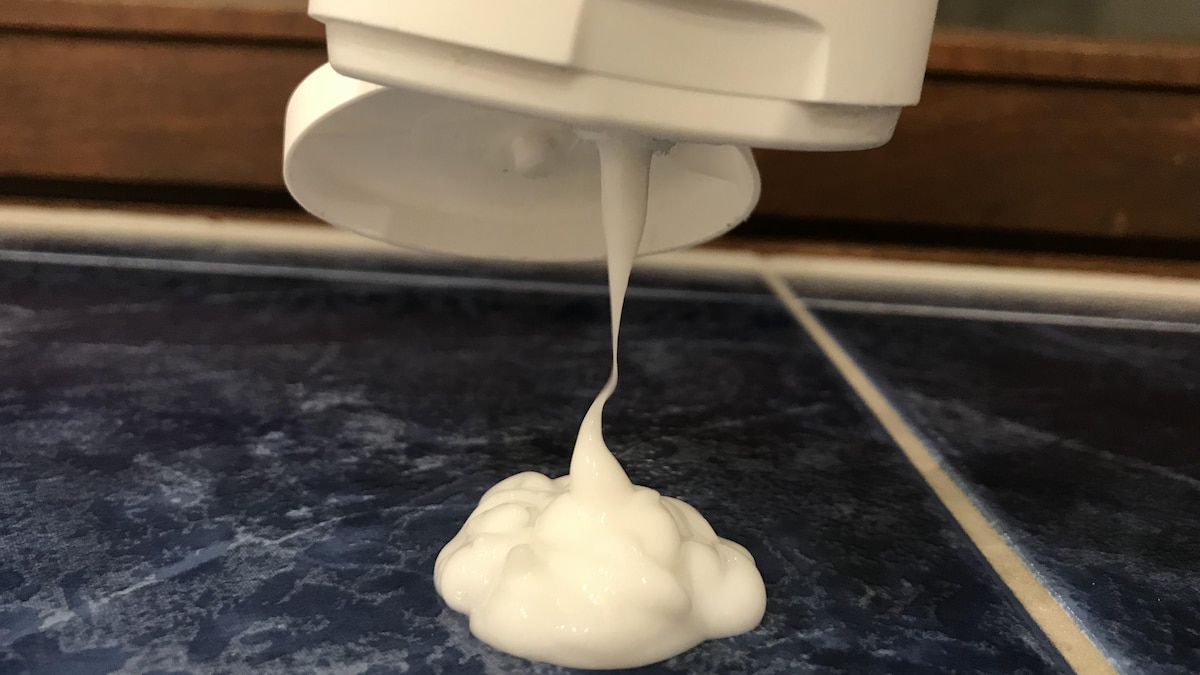
Zinc oxide paste protects the skin against friction and humidity by forming a barrier. Zinc oxide paste 50% applied twice daily alone was found to be more effective than topical tacrolimus.[34] Zinc oxide can prevent the colonization of skin lesions and has been reported to increase in vitro levels of intracellular calcium.[35]